

While various risks and uncertainties could cloud the global economic outlook in 2025, CEMEA's diverse economies are poised for growth and transformation. From post-conflict recovery to tourism booms and technology revolutions, the region presents a dynamic mix of opportunities and challenges, explains Mohamed Bardastani, Visa's Principal Economist for Central and Eastern Europe, Middle East and Africa
Despite a complex and challenging global economic landscape, the real story of 2025 is one of remarkable resilience and a shifting global balance. Worldwide, a 3.3% gross domestic product (GDP) growth is projected,¹ with established economies like the US, India, and the GCC poised for robust expansion, while Europe, Latin America, and the Caribbean anticipate more moderate gains. But the true dynamism lies in emerging markets across Asia and Africa. There, rising incomes, burgeoning middle classes, and the digital revolution — marked by increasing internet penetration — are not just driving local economies but reshaping the global stage, creating vibrant new markets for goods and services.
CEMEA poised for economic acceleration in 2025, though not without challenges
In Central and Eastern Europe, Middle East and Africa (CEMEA) GDP growth is projected to accelerate from 2.8% in 2024 to 3.3% in 2025.² This upward trend is consistent with the Gulf Cooperation Council (GCC) anticipating a remarkable growth rate of 4.7%, significantly above its pre-pandemic average of 2.5%. Similarly, the Commonwealth of Independent States and Southeast Europe (CISSEE) and Sub-Saharan Africa (SSA) are projected to achieve growth rates of 4.3% and 3.6%, respectively, both surpassing their pre-pandemic averages. North Africa, Levant, and Pakistan (NALP) is also expected to match its pre-pandemic average growth of approximately 3.2%.
While overall economic projections remain favorable, the region faces substantial challenges, including elevated consumer prices, high inflation, imbalances in government finances, build-up in public debt, high youth unemployment and potential social instability. This calls for a more cautious and measured approach to economic policy to ensure mitigation of these risks and the promotion of sustainable and inclusive economic growth.

Gulf Cooperation Council (GCC)
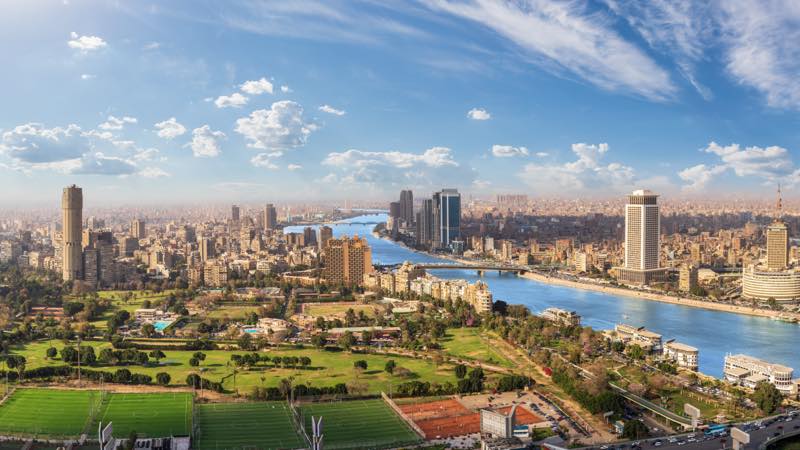
North Africa, Levant, and Pakistan (NALP)
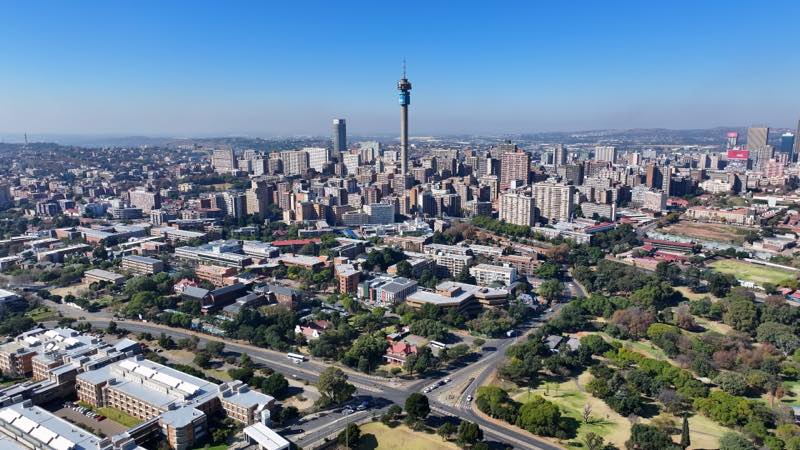
Sub-Saharan Africa (SSA)

Commonwealth of Independent States and South and Eastern Europe (CISSEE)
Investing in a thriving economic landscape
All brand names, logos and/or trademarks are the property of their respective owners, are used for identification purposes only, and do not necessarily imply product endorsement or affiliation with Visa.
- Economic Outlook: Global growth to remain resilient in 2025 and 2026 despite significant risks, Organisation for economic Co-operation and Development, 4 December 2024
- Oxford Economics databank https://data.oxfordeconomics.com/
- Saudi Arabia sets ambitious goal of 40% female workforce participation by 2030, Fast Company Middle East, 31 October 2024
- FMiddle East Tourism: Roundup From the First Half of 2024
- Saudi Arabia Investment Outlook 2025
- Tourism Performance Report January - November 2024
- North Africa's Renewable Potential and Strategic Location Reinforce Its Role in Energy Transition, International Energy Renewable Agency (IRENA), 26 February 2024
- Mapping MENA’s Renewable Energy Supply Chains: The Emergence of Green Energy Ecosystems in the Middle East and North Africa (Study), Middle East Institute, 18 December 2024
- Egypt looking to raise target for renewable energy to 58% by 2040 | Reuters
- Egypt: Benban, a model of clean energy production in Africa | African Development Bank Group
- Fintech in Africa: The end of the beginning, McKinsey and Company, 30 August 2022
- Tech as a Catalyst: Transforming career paths and community impact for Nigerian youth | Education as a Vaccine
- Analysts expect Ukraine's GDP to increase to $200 bln in 2025 - GMK Center
- G7 leaders agree to deliver $50 bln in loans to Ukraine as soon as December | Reuters