Travelers are planning trips with a view of purchasing unique items they can’t find at home, such as French perfumes, Korean cosmetics or Swiss chocolates, a trend Expedia described as “Goods Getaways”. Here, Visa economist Mohamed Bardastani shares insights from the Visa Business and Economic Insights’ Global Travel Insight report, showing how banks and retailers can tap into this growing opportunity.
How is the “Goods Getaways” trend signaling a new shift in travel planning?
Bardastani: The travel and tourism industry is increasingly being shaped by the intersection of several technological and demographic factors. For example, Gen Z, a digitally native generation that has only ever lived in a world with smartphones, social media and high-speed internet, is also progressively accounting for a larger share of the global population and travelers. These shifts are redefining not only how people travel but also who travels and what motivates their journeys—with ‘goods getaways’ becoming a new and significant driver of travel planning.
Which markets did the Visa Business and Economic Insights team analyze in the report?
Bardastani: Based on an analysis of VisaNet transactional data, we looked at two examples of so-called “Goods Getaways” — travel involving viral Dubai Chocolates and Korean cosmetic and skincare products. In both instances, we found evidence of increased tourist spending on these unique products that are closely associated with the travel destination.
This suggests that the availability of specialty items in a specific locale is not a travel coincidence or an added bonus but rather may be emerging as one of key motivators of tourists’ destination choices and a novel, rising trend in global tourism.
What was particularly interesting about the distribution of Dubai Chocolate from a payments perspective?
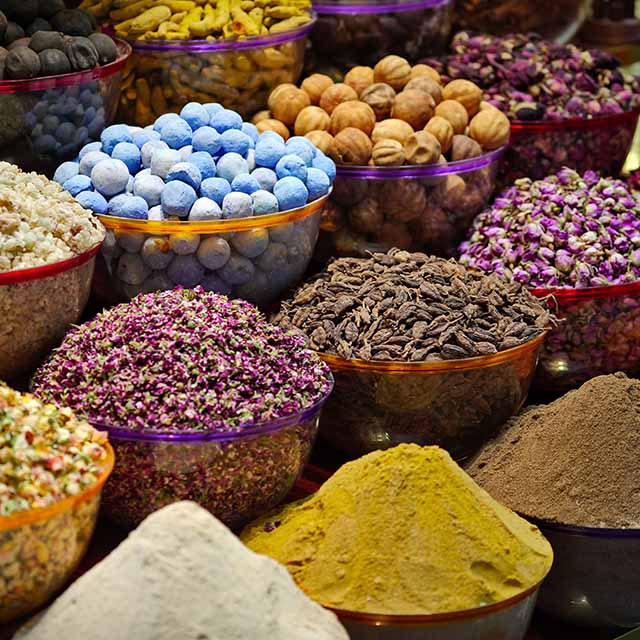
Bardastani: The “Dubai Chocolate” took social media by storm in 2024, prompting a plethora of videos online of influencers unpacking and trying the gooey goodness. One clever way the makers of the original Dubai Chocolate marketed their product was by offering a limited amount exclusively on Deliveroo, a food delivery app, for only short windows of time: at 2 p.m. and 5 p.m. This scarcity, coupled with social media savviness, contributed to the overwhelming demand.
The report looked at the distribution of transactions on Deliveroo before and after the popularity of Dubai Chocolate to track the evolution of spending. We limited the analysis to non-domestic bank cards to capture tourist spending. The distribution of transactions before Dubai Chocolate became viral followed the expected path with a couple of peaks — one occurring around lunch time at 1 p.m., and the other around dinner time at 7 p.m. and 8 p.m. — before the number of transactions tapered off.
Interestingly, as the chocolate bar gained popularity, the distribution of transactions changed significantly. In fact, the distribution on Deliveroo was not what you’d typically expect for tourists’ food deliveries, with unusual peaks at 2 p.m. and 5 p.m. — the windows at which the chocolate bars were sold — suggesting a significant share of the transactions at 2 p.m. and 5 p.m. were for the purchase of the viral chocolate.
The top non-domestic spenders on Deliveroo at 2 p.m. and 5 p.m. were cardholders from the U.K., the U.S., Kazakhstan, Kuwait and Saudi Arabia. Interestingly, cardholders from Singapore, South Korea and Armenia, who aren't usually big spenders on that app in the U.A.E., also significantly increased their spending during the 2 p.m. and 5 p.m. windows.

Why are Korean cosmetics a good example of “Goods Getaways”?
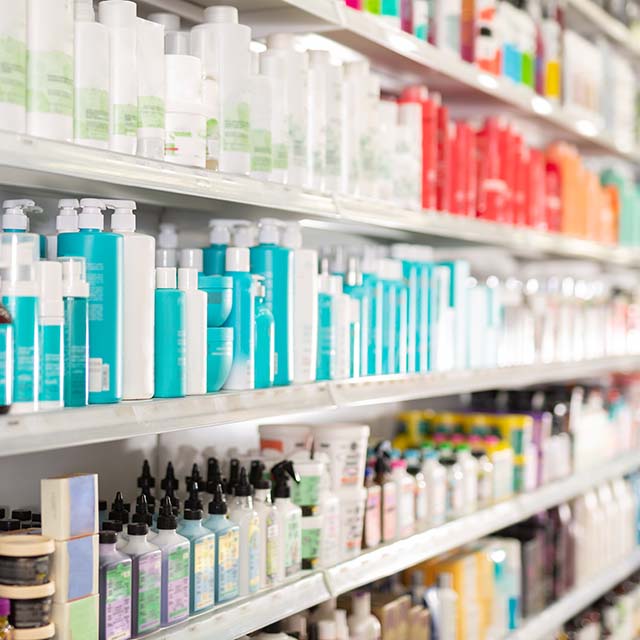
Bardastani: Korean cosmetics and skincare products are known for their innovation, high-quality and affordability.
We again limited our analysis to non-domestic card spending and included only in-person transactions at Korean cosmetics and skincare shops in South Korea. Generally, the report shows a modest rise in the share of total international cardholders spending in those shops, with the share rising from 9.4 percent of total non-domestic cards in Q4-2022 to 11 percent in Q4-2024. Interestingly, though, there was significant variation depending on travelers’ country of origin, suggesting the trend is more popular in certain countries than others.
Korean cosmetics and skincare products have developed an avid fanbase in neighboring countries like the Philippines, Malaysia, Singapore, Japan and Indonesia. By Q4-2024, 1 in 5 travelers from the Philippines and Indonesia had transacted in-person at cosmetics and skincare shops in South Korea. For travelers from Malaysia, Singapore and Japan, it was 19 percent, 18 percent and 14 percent of cardholders, respectively.
Why is it important for banks and merchants to take note of this trend?
Bardastani: The "Goods Getaways" trend presents opportunities for both banks and merchants. For banks, understanding the spending behaviors of tourists can lead to more targeted marketing strategies and personalized offers that cater to these novel travel motivations.
By analyzing transaction data, banks can identify high-spending tourist segments and offer tailored financial products, such as travel rewards cards or exclusive discounts with partner merchants in popular travel destinations.
Merchants, on the other hand, can capitalize on this trend by strategically positioning their products to attract these travel-motivated consumers. For example, retailers in popular "Goods Getaways" destinations, such as Dubai, Paris or Seoul, can create exclusive product lines or limited-time offers that align with the preferences of international tourists.